Best Time to Dive the Catalina Islands: Manta Season
A Pacific Giant Manta doesn’t really swim. It glides — one slow, deliberate wingbeat — and then there’s a shadow sliding over you that’s wider than the boat that brought you out. First-timers always go quiet for a second. Then come the grins you can spot even around a regulator.
So when’s the best time to dive the Catalina Islands? For your best shot at the mantas and the clearest water, aim for May through mid-November. The Catalinas sit about a 30-minute boat ride south of Playas del Coco, and during that window the visibility opens up and the big animals are around in numbers. That’s the short answer. Here’s everything worth knowing before you pick your dates.
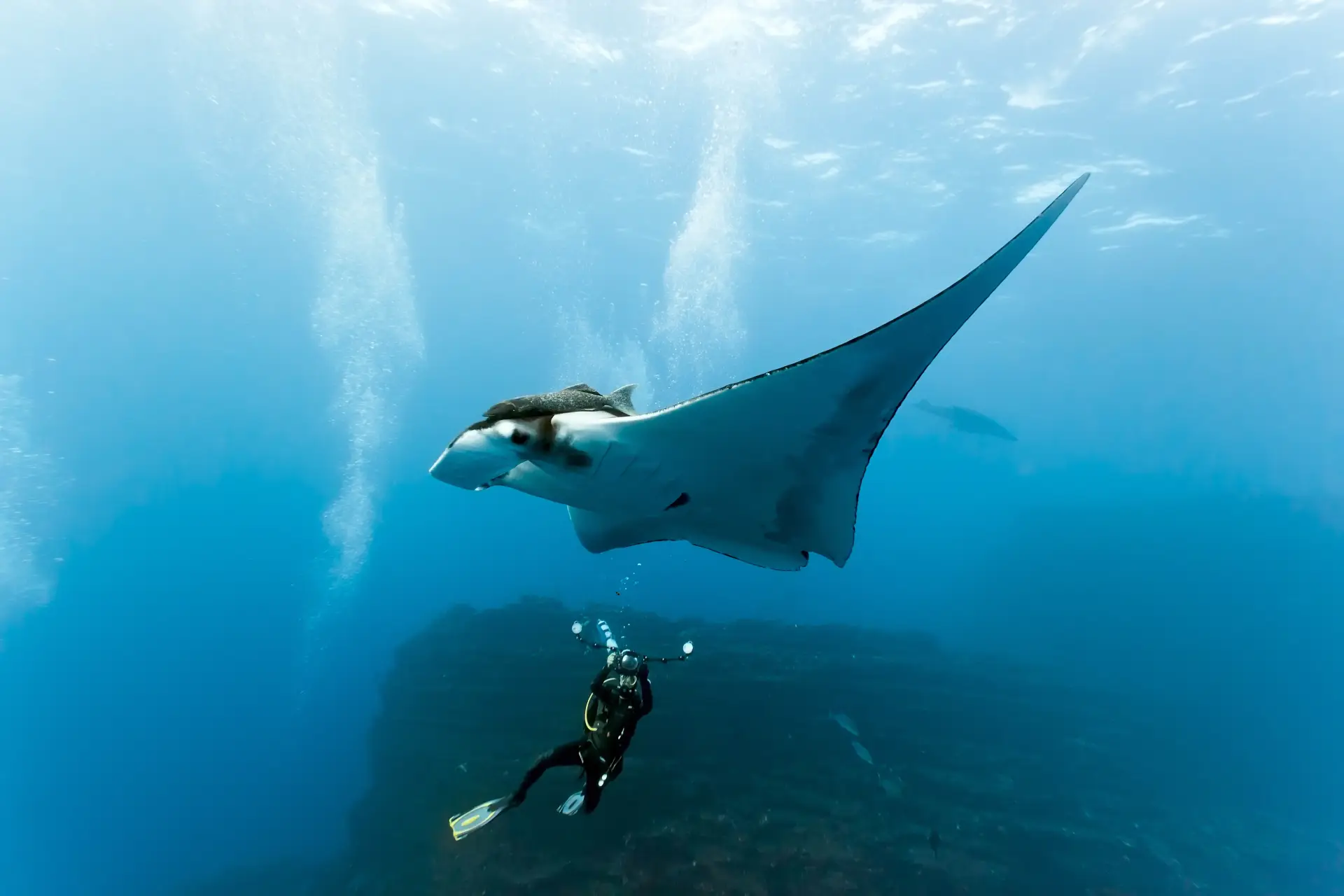 When manta season actually happens at the Catalina Islands
The window that matters runs roughly from May into the first half of November. That’s when visibility at the Catalina Islands is at its best and the mantas are most reliably around. It lines up with the green season on land, which throws some people — nobody expects the best diving to overlap with the rainy months — but under the surface it just works.
A quick honesty check, because we’d rather you trust us than be disappointed: these are wild animals, and no season comes with a guarantee. Some days you’ll have three or four mantas circling a cleaning station and lose track of time. Other days the ocean shrugs. That’s diving. What we can tell you is that your odds are meaningfully better inside that May-to-mid-November stretch than outside it.
The mantas are the headline, but they’re not the whole show
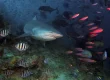
People come for the Pacific Giant Manta — and fair enough, with a wingspan wider than a car is long, it’s a hard act to follow. But the Catalinas keep handing you extras:
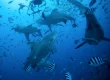
- Schooling rays. Squadrons of them, sliding past in formation. On the right day it’s one of the best sights in the whole gulf.
- Big schools of fish. The kind of bait balls that pull in everything hungry.
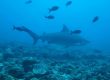
- The rare heavyweights. Whale sharks, orcas, humpbacks, and dolphins all pass through here from time to time. We never promise them — but we’ve had trips no one on board will ever stop talking about.
That mix is why the Catalinas rarely feel repetitive. Same islands, wildly different day to day.
What to expect from the conditions
The Catalinas are a step up from our calm local sites, though nothing like as demanding as the Bat Islands. There can be current, the water runs a touch cooler than the shallows closer to shore, and thermoclines will occasionally slide through and remind you they exist. A 3mm wetsuit handles most days here, but pack for the chance of a chilly one.
You don’t need to be an advanced diver to enjoy the Catalinas, but a bit of comfort in open water and mild current goes a long way. If you’re still building experience, we’ll match the site to your level. And if you’re keen to get the most out of the deeper spots, an Enriched Air Nitrox certification stretches your bottom time so you spend longer with the mantas and less time watching your gauge.
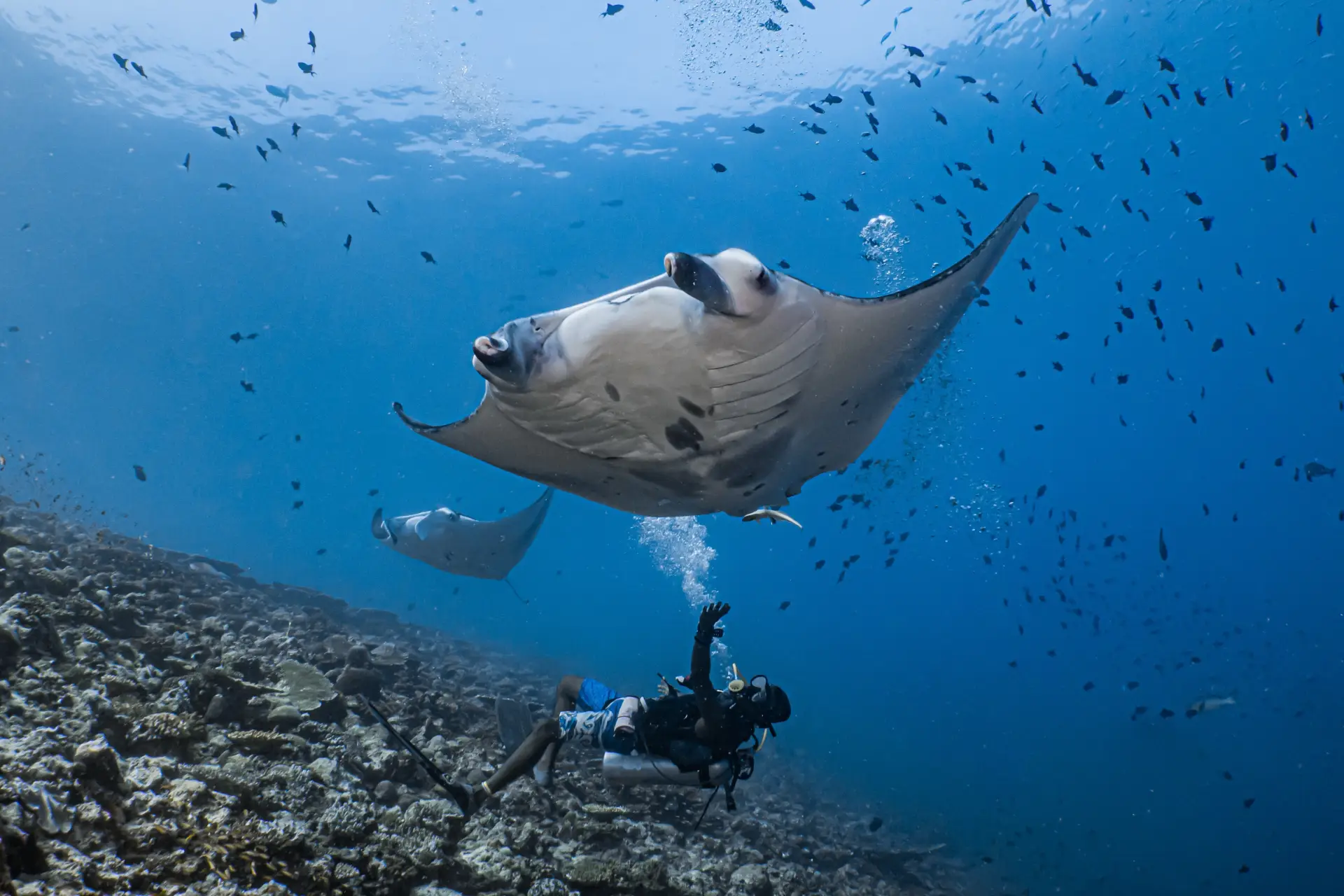 Diving the Catalinas in December through March
Our busy season — December to March — is a different animal. Expect sun, low-to-mid 30s°C on land, and afternoon breezes that can put some chop on the water. The wind is also why the Bat Islands are usually off the table this time of year: the long crossing gets too rough to run.
Here’s the upside. With the Bat Islands closed, our trips lean into the Catalinas and our local Papagayo dive sites instead. Mantas can still show up in these months — it’s simply less of a sure thing than in peak season, and visibility swings more day to day. If manta encounters are the whole reason you’re flying down, book inside the May-to-mid-November window. If you want reliable sunshine and a full week of great diving with a real shot at mantas, high season still delivers.
How we run the Catalina Islands trip
Thirty minutes to the islands doesn’t sound like much until you’ve ridden out with an operator whose boat wallows the whole way. Ours don’t. Our fleet is fast and purpose-built, so we get you there quick, spend the time underwater where it counts, and get you back without beating you up on the ride.
Before every dive you get a proper briefing — where the cleaning stations are, how the current’s behaving that day, and how to position yourself so the mantas come to you rather than away from you. Which brings up the golden rule out here: hover, don’t chase. Mantas are curious, and if you hold still and stay calm, they’ll often come check you out. Reach for them and they’re gone. Look, don’t touch, and let the animal run the encounter.
Frequently Asked Questions
What is the best time to dive the Catalina Islands?
May through mid-November is your best bet. Visibility is at its strongest and the Pacific Giant Mantas are most reliably around. It overlaps with the green season on land, but the diving is worth a little rain.
Are manta sightings guaranteed?
No — they’re wild animals, so nobody can promise them. Inside the peak window your odds are excellent, and even on a quieter manta day the schooling rays and fish life make the trip more than worth it.
Do I need to be an advanced diver for the Catalinas?
Not necessarily. There can be some current and slightly cooler water, but plenty of newer divers enjoy the Catalinas. We’ll match the site to your experience, and Nitrox is a great add-on for longer dives.
Can I still see mantas in December to March?
Sometimes, yes — they can turn up year-round. It’s just less of a sure thing than in peak season, and visibility varies more. High season shines for sunshine and calm mornings; May to mid-November shines for mantas.
There’s a moment, hanging weightless at a cleaning station while a manta banks overhead and blocks out the sun for a beat, where the whole reason you learned to dive suddenly makes sense. We’ve watched it land on people’s faces a hundred times and it never gets old. Pick your dates, and let’s go make some bubbles.
Ready to make some bubbles?
Manta season at the Catalinas runs May to mid-November, and the best dive days book up early. Tell us when you’re coming and we’ll line up your trip out of Playas del Coco.